







interesting white papers
-
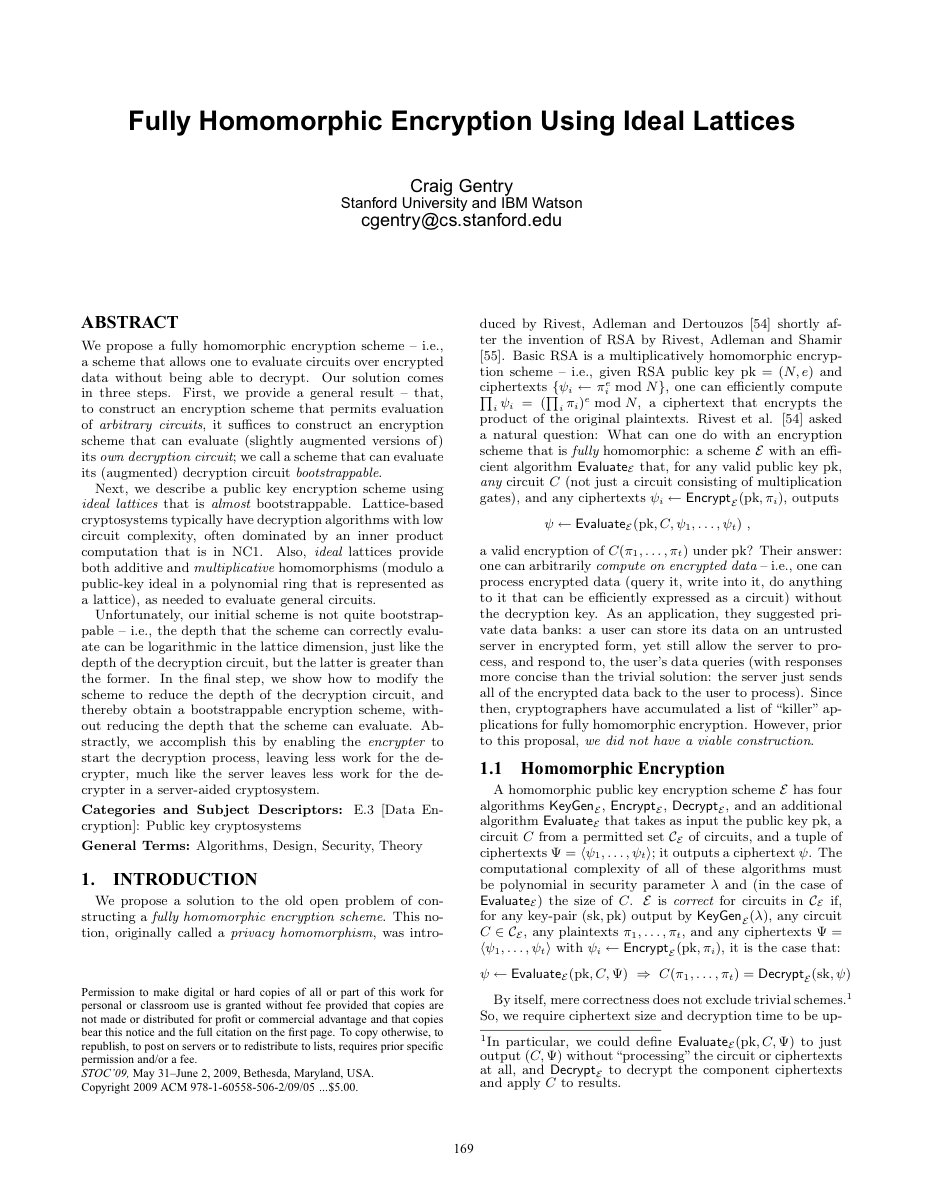
Fully Homomorphic Encryption Using Ideal Lattices — Gentry, 2009 -
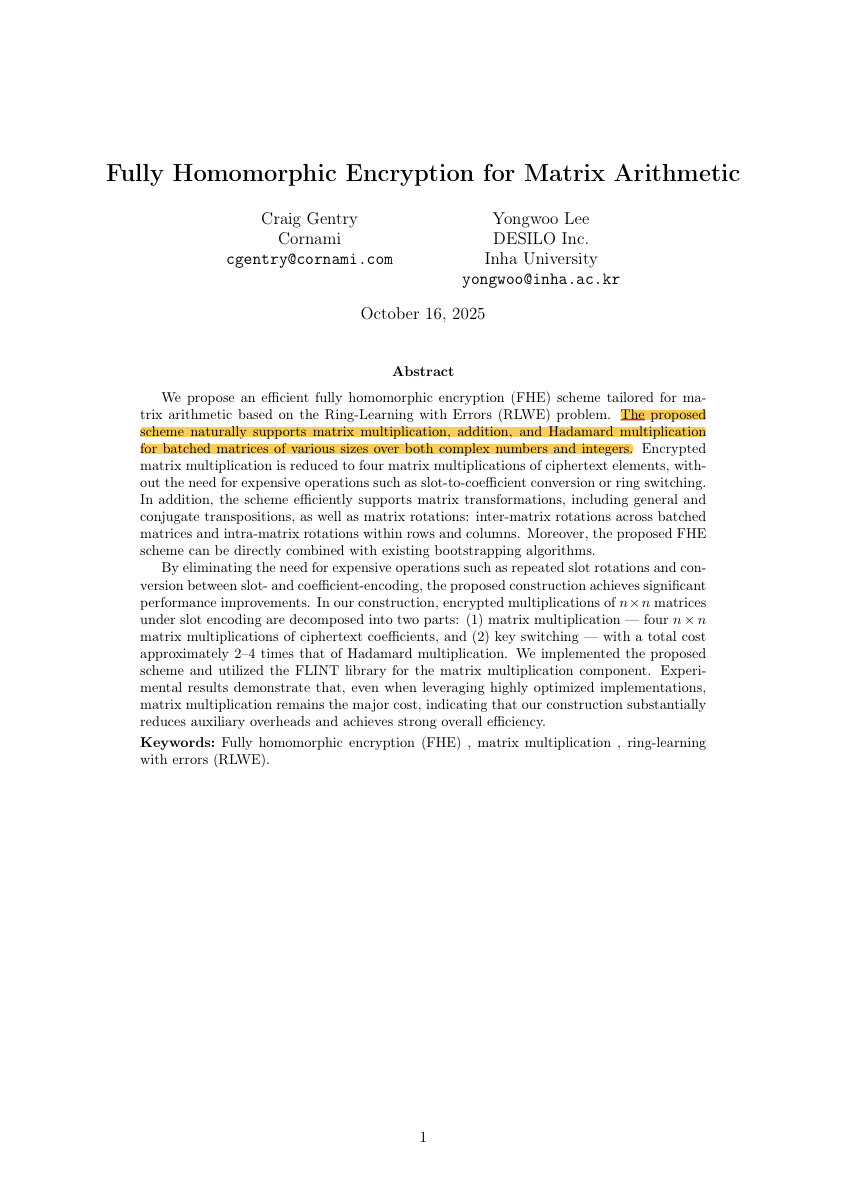
Fully Homomorphic Encryption for Matrix Arithmetic — Gentry and Lee, 2025 -
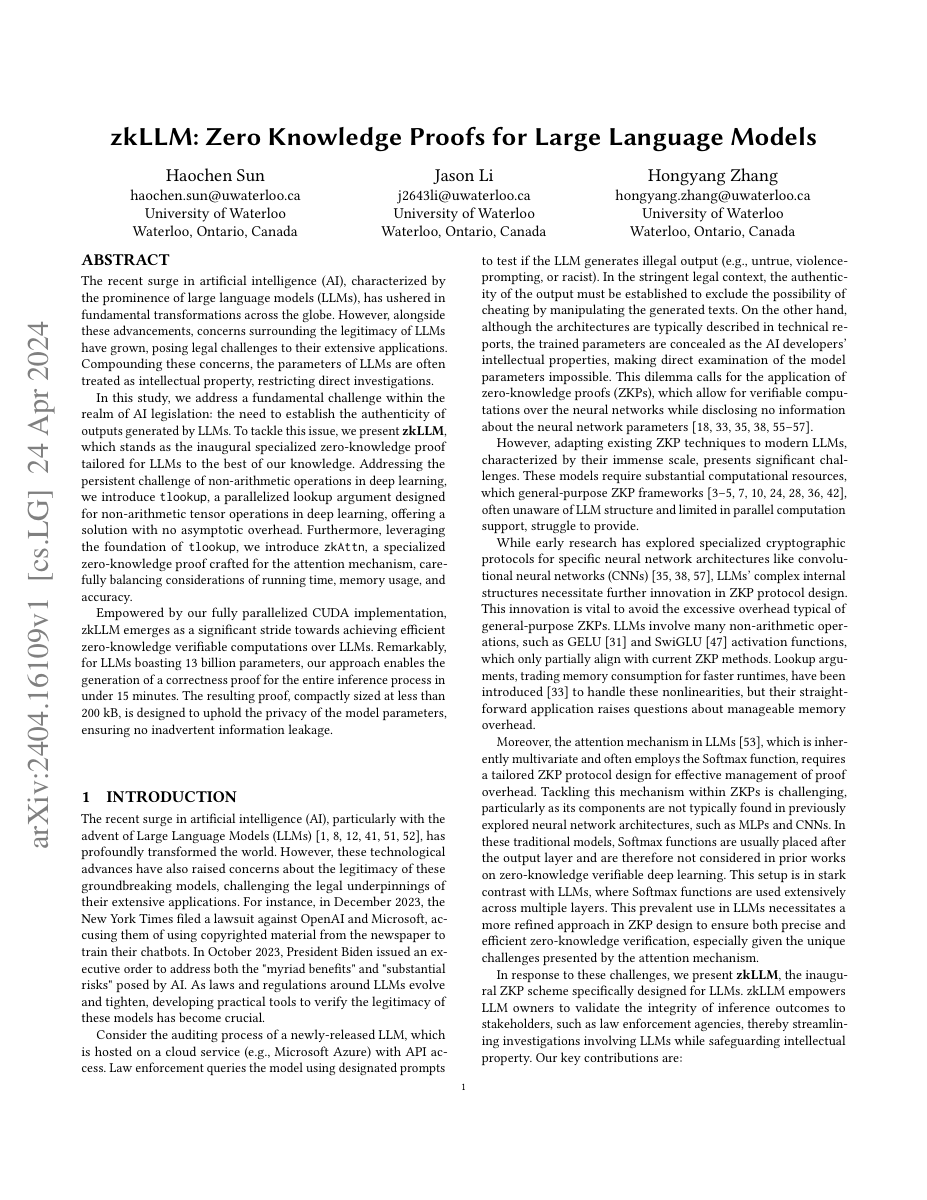
zkLLM: Zero Knowledge Proofs for Large Language Models — Sun, Li and Zhang, 2024 -
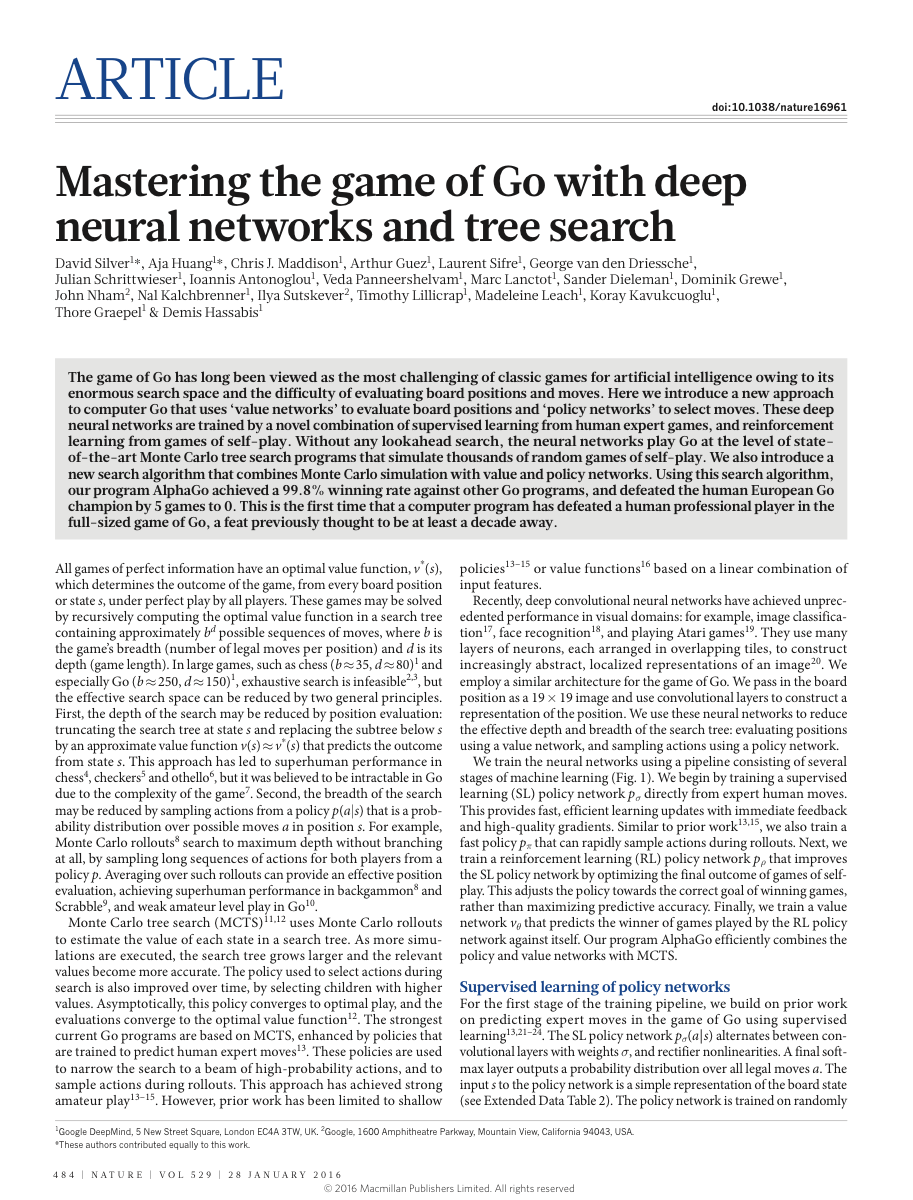
Mastering the game of Go with deep neural networks and tree search — Silver and others, 2016 -
A Pruning Framework for Bias Mitigation in Large Language Models — Rajput and Madisetti, 2026 -
Kimi K3: Open Frontier Intelligence — Kimi Team, 2026 -
Practical Attacks Against Privacy and Availability in 4G/LTE — Shaik and others, 2016 -
Compatibility is Not Transparency — Garfinkel and others, 2007 -
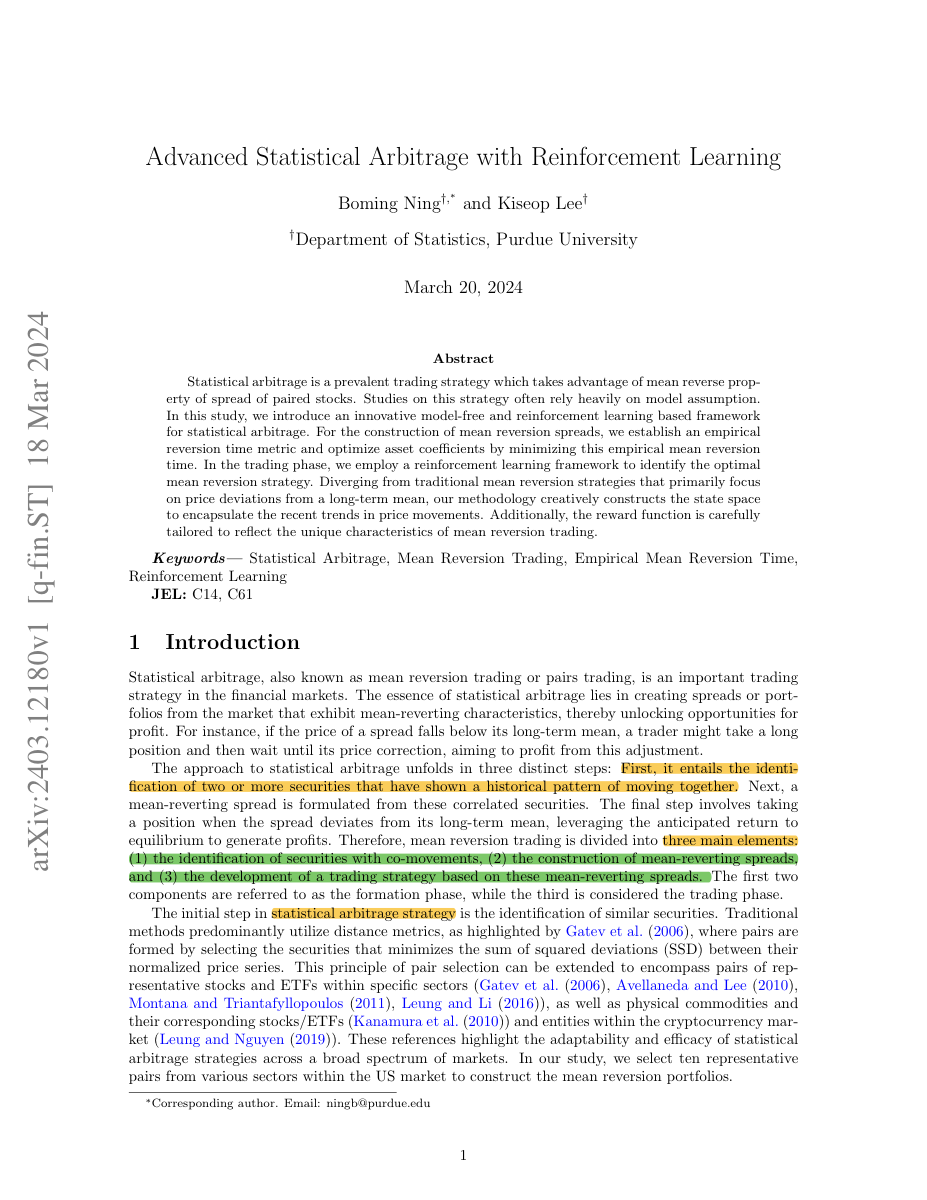
Advanced Statistical Arbitrage with Reinforcement Learning — Ning and Lee, 2024 -
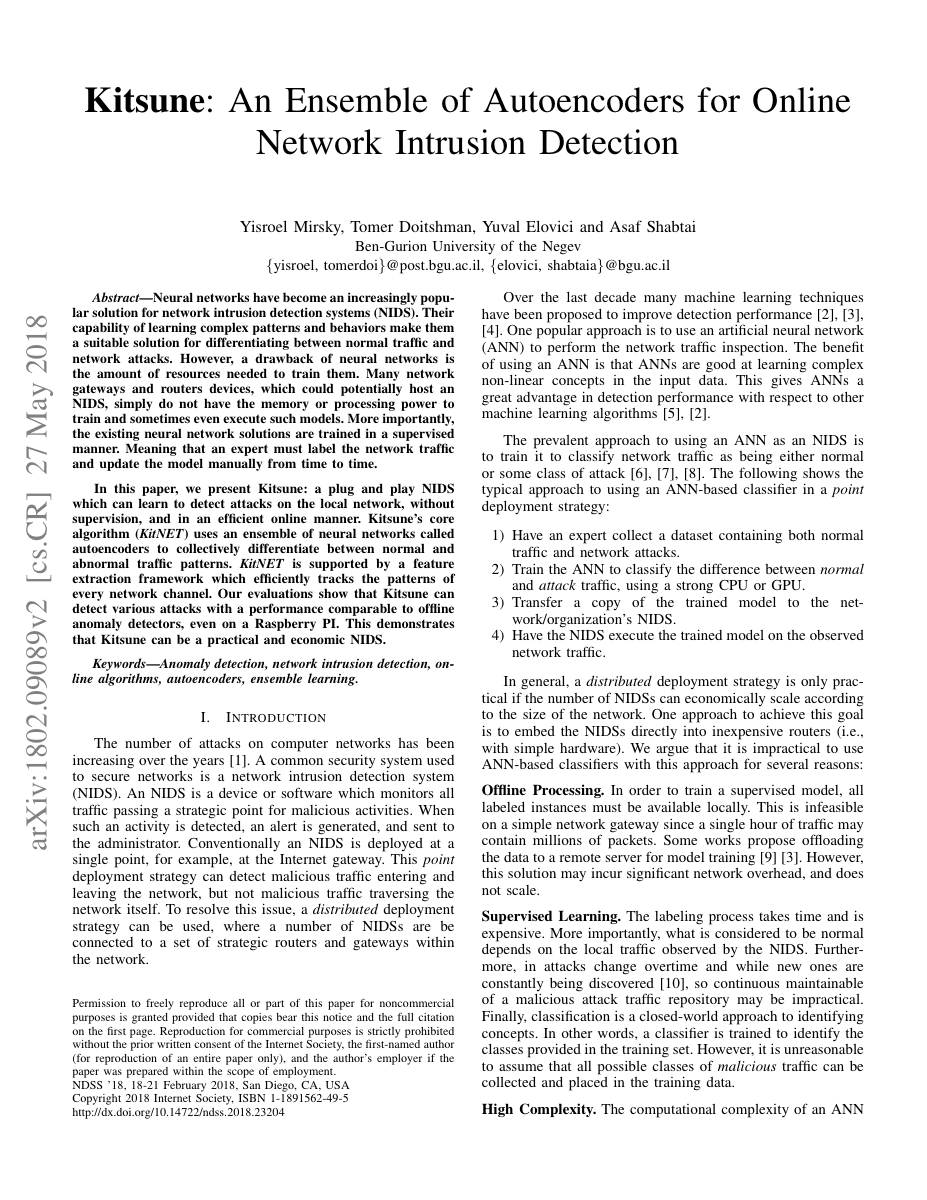
Kitsune: An Ensemble of Autoencoders for Online Network Intrusion Detection — Mirsky and others, 2018 -
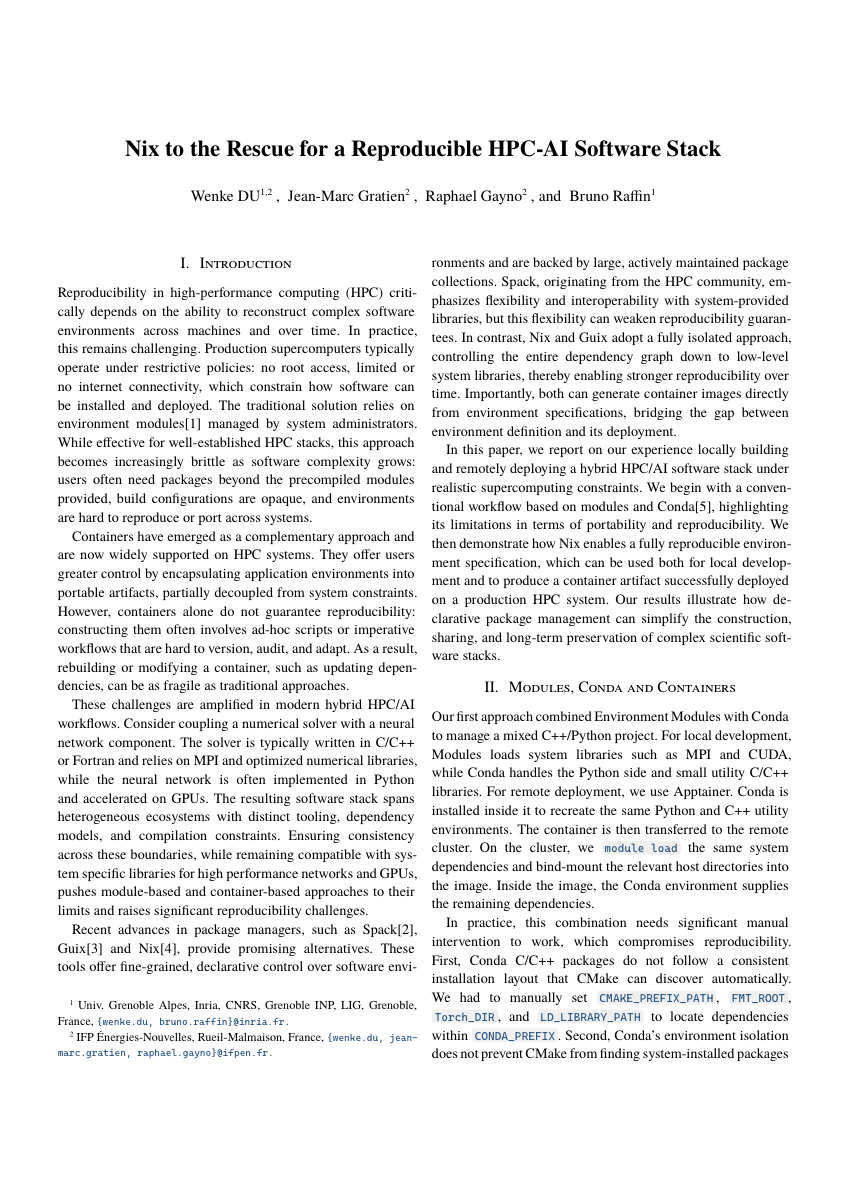
Nix to the Rescue for a Reproducible HPC-AI Software Stack — Du and others, 2026 -
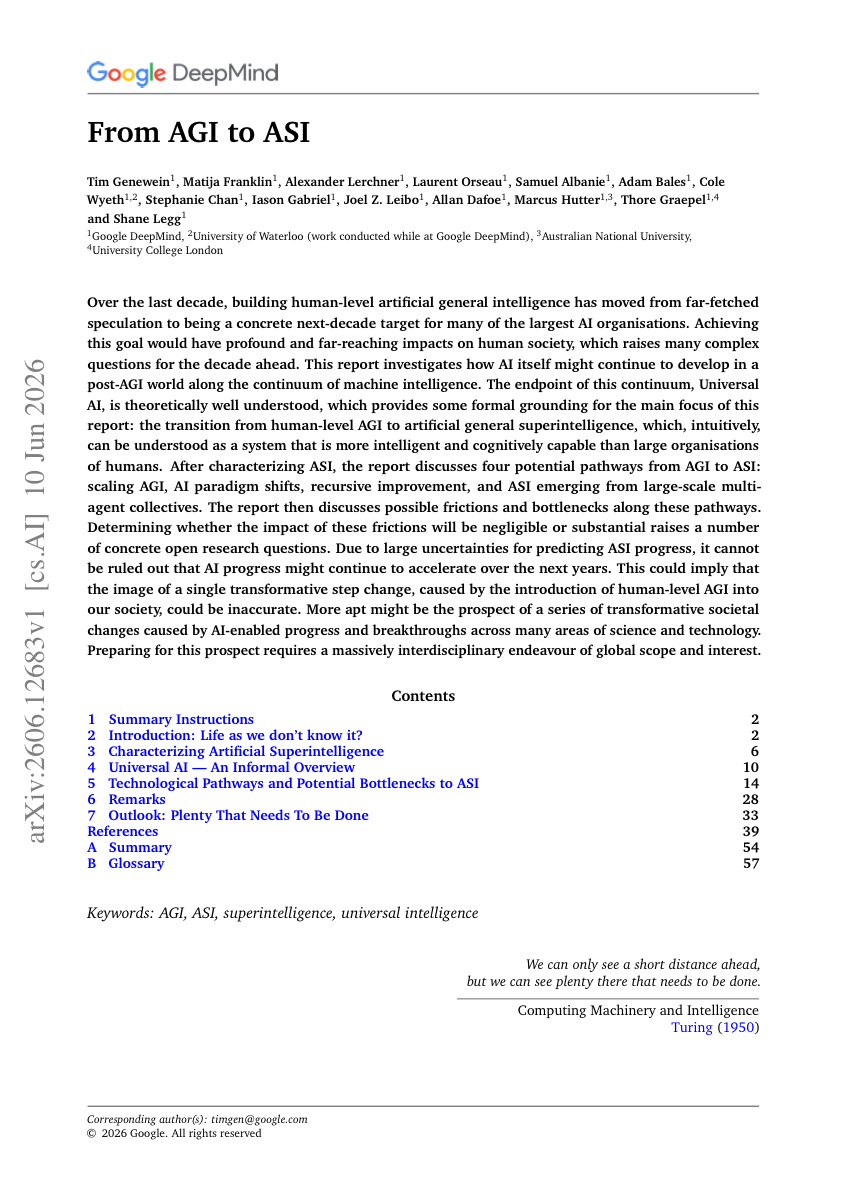
From AGI to ASI — Genewein and others, Google DeepMind, 2026 -
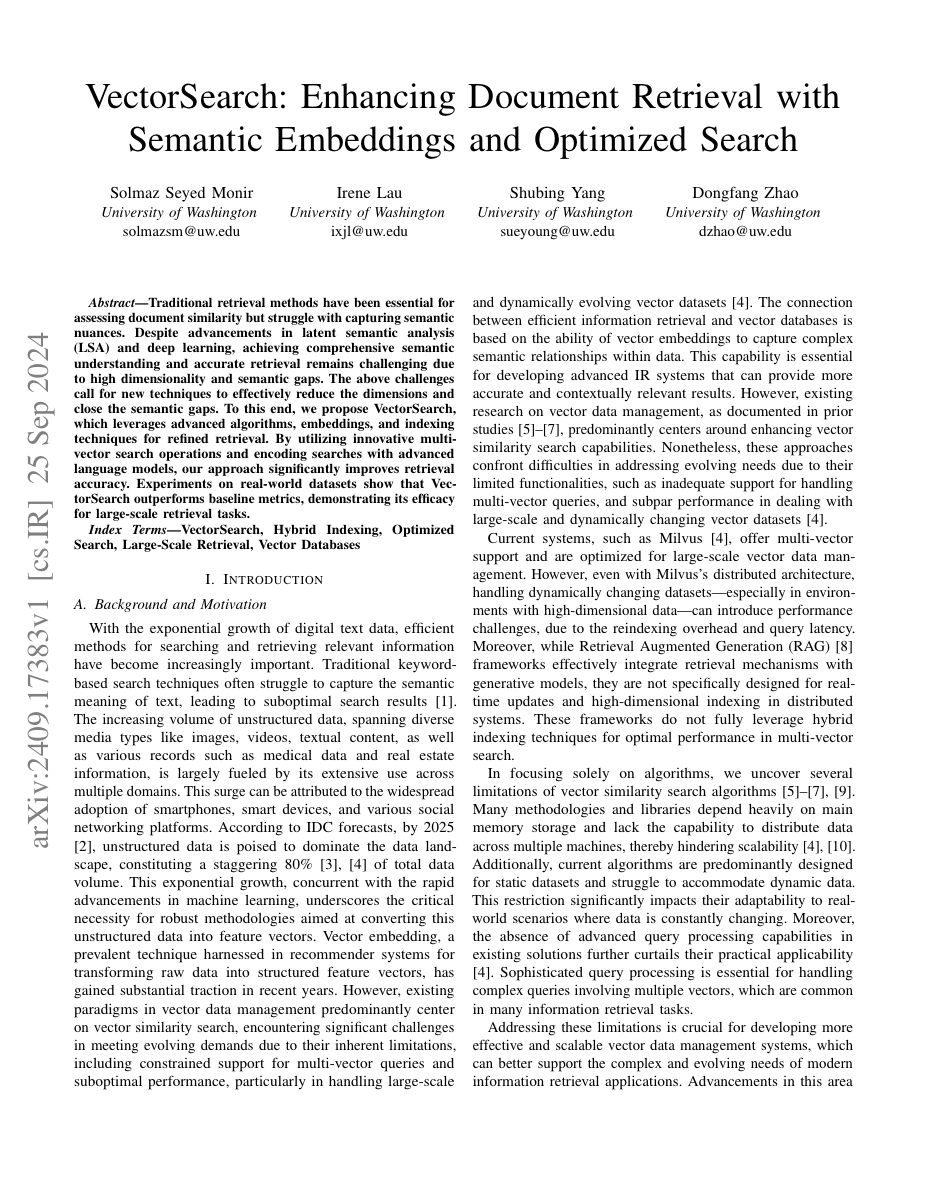
VectorSearch: Enhancing Document Retrieval with Semantic Embeddings and Optimized Search — Monir and others, 2024 -
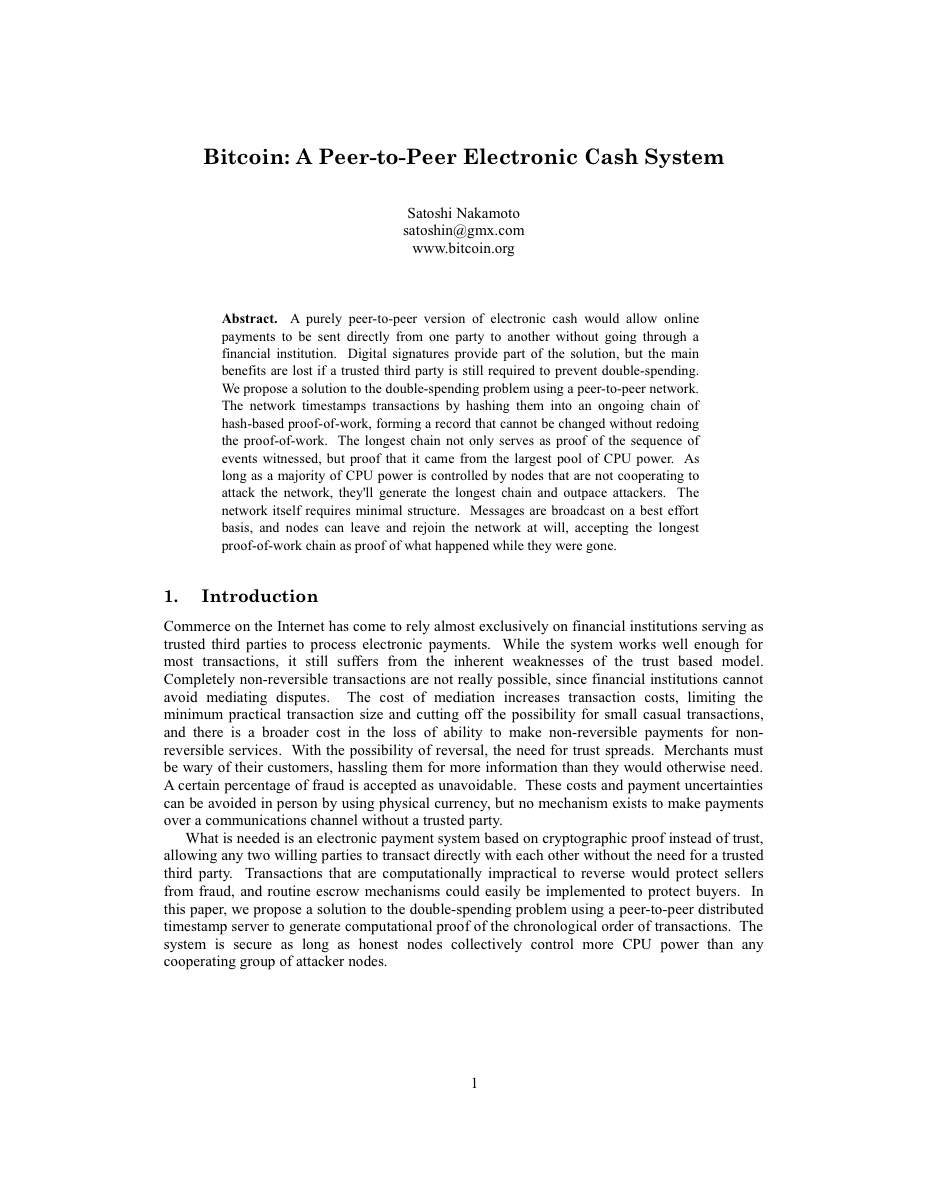
Bitcoin: A Peer-to-Peer Electronic Cash System — Nakamoto, 2008 -
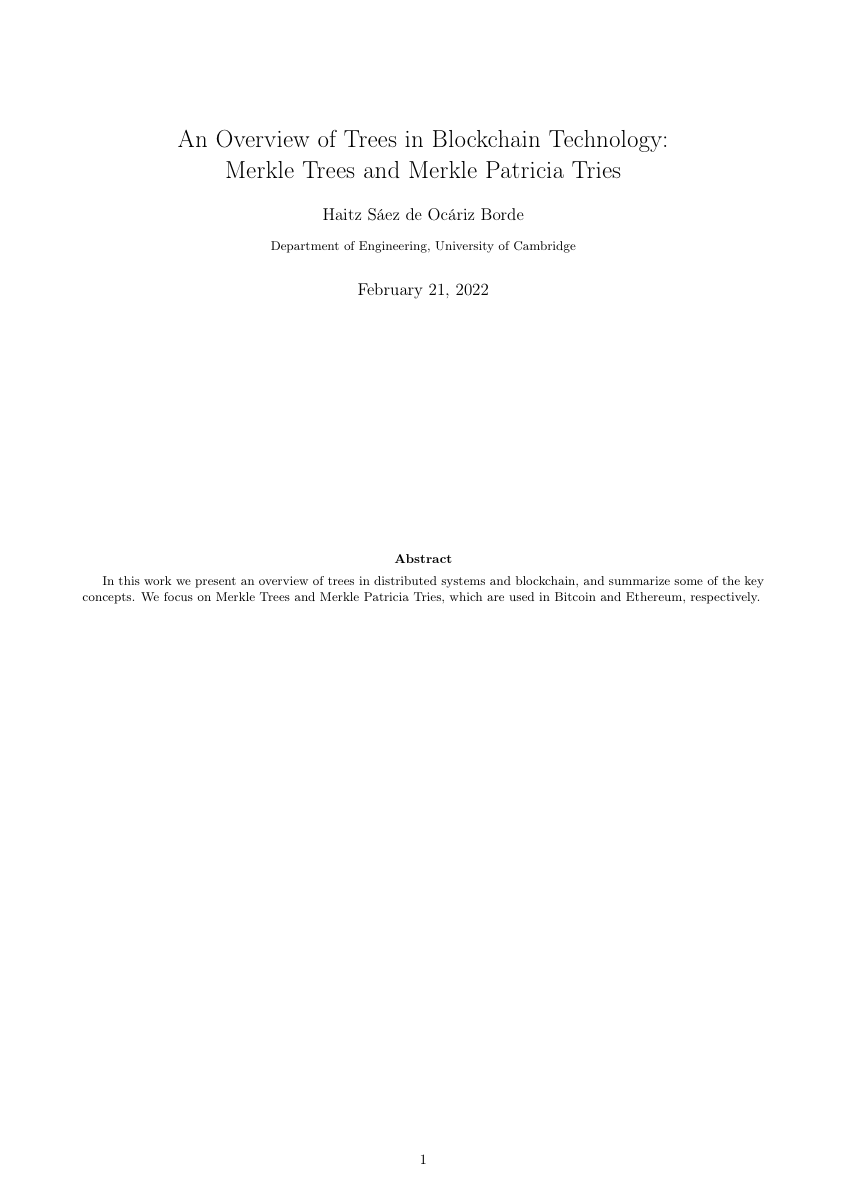
An Overview of Trees in Blockchain Technology — Sáez de Ocáriz Borde, 2022 -
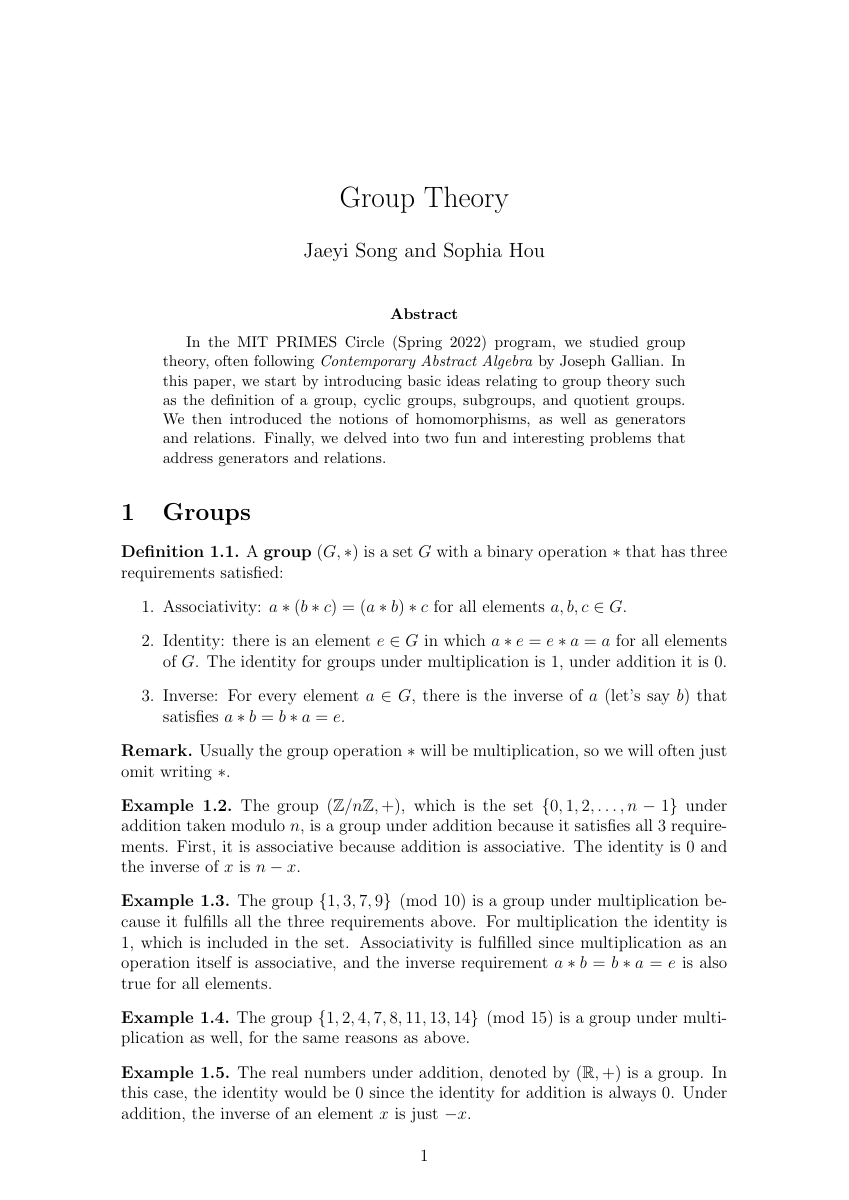
Group Theory — Song and Hou, 2022
Fully Homomorphic Encryption Using Ideal Lattices
Craig Gentry · STOC '09, Bethesda, Maryland, May 2009
The one that turned a thirty-year open question into an engineering problem. The move is bootstrapping, and it is the kind of idea you can hold in your head afterwards: if a scheme can evaluate its own decryption circuit, it can refresh its own ciphertexts, and a scheme that can refresh can compute forever. Everything since is an argument about the constant factors.
Fully Homomorphic Encryption for Matrix Arithmetic
Craig Gentry and Yongwoo Lee · Preprint, October 2025
Sixteen years on from the paper above, the same author on the constant factors. Encrypted matrix multiplication comes down to four multiplications of ciphertext coefficients, with none of the slot-to-coefficient conversion and ring switching that made the operation expensive — which matters because matrix arithmetic is what machine learning is, and encrypted inference is bounded by exactly this.
zkLLM: Zero Knowledge Proofs for Large Language Models
Haochen Sun, Jason Li and Hongyang Zhang · CCS '24, Salt Lake City, October 2024; arXiv:2404.16109v1
A proof that a given output came from a given model, without the weights ever leaving the prover. The interesting half is not the cryptography but what it is aimed at: the parameters are the intellectual property and the output is the thing being regulated, and those two facts usually point in opposite directions. This is a construction where they do not. The hard part is attention, and tlookup and zkAttn are where the paper earns its keep.
Mastering the game of Go with deep neural networks and tree search
David Silver, Aja Huang, Chris J. Maddison and seventeen others · Nature 529, 484–489, 28 January 2016; doi:10.1038/nature16961
AlphaGo, and the sentence in the abstract that dates the whole field: a feat previously thought to be at least a decade away. The architecture is two networks and a search — a policy network to narrow the breadth, a value network to truncate the depth, Monte Carlo tree search to spend the compute where it pays — and the training pipeline runs supervised learning on human games into self-play reinforcement learning, which is the move everything since has copied. Worth reading now for how modest it sounds while doing it.
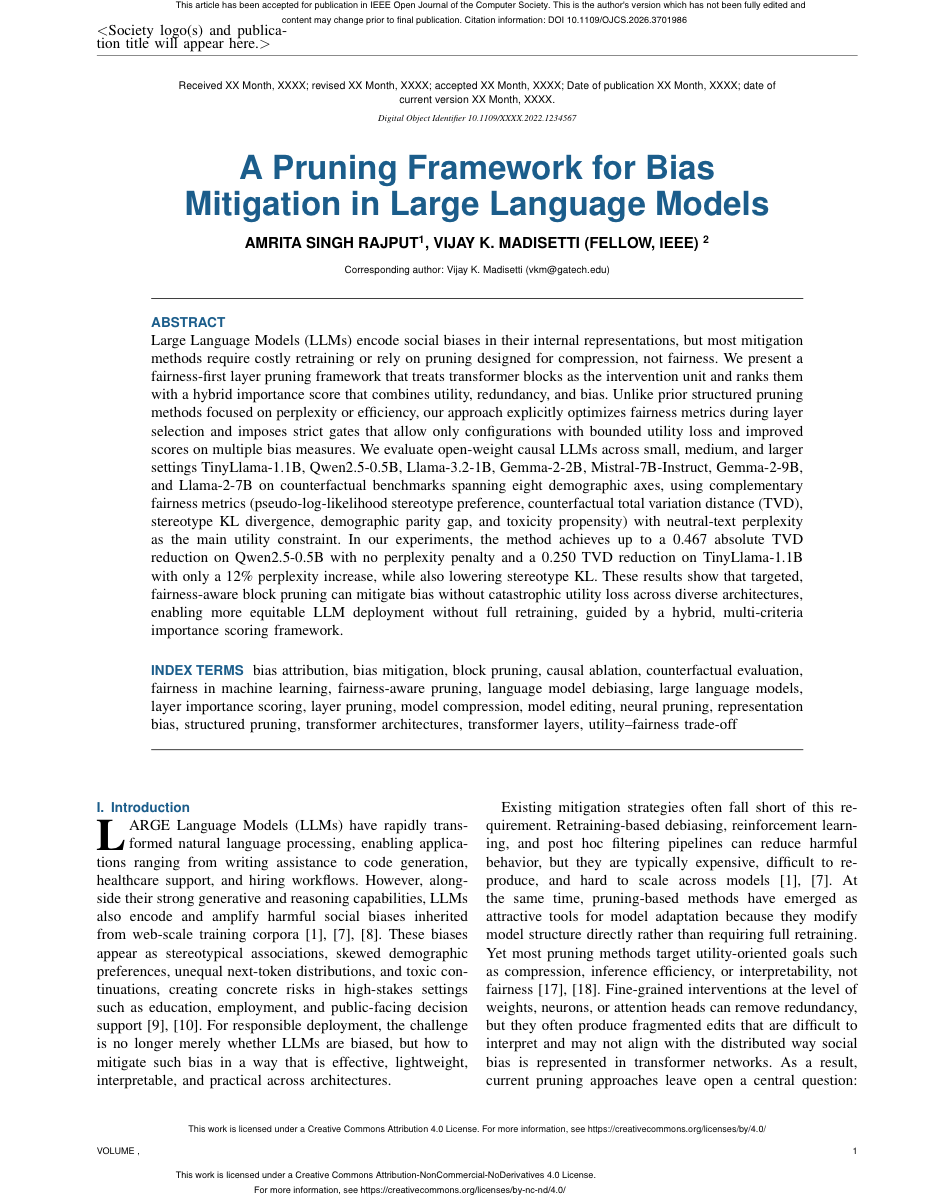
A Pruning Framework for Bias Mitigation in Large Language Models
Amrita Singh Rajput and Vijay K. Madisetti · Accepted, IEEE Open Journal of the Computer Society; doi:10.1109/OJCS.2026.3701986
Pruning is a compression technique here turned into a scalpel: rank whole transformer blocks by a score that mixes utility, redundancy and bias attribution, then cut the ones that are all three at once. The claim worth checking is the localisation one — that bias sits in identifiable blocks rather than smeared across the network — and the numbers they report for it are honest about the trade, 0.467 absolute TVD off Qwen2.5-0.5B at no perplexity cost, 0.250 off TinyLlama-1.1B at twelve percent.
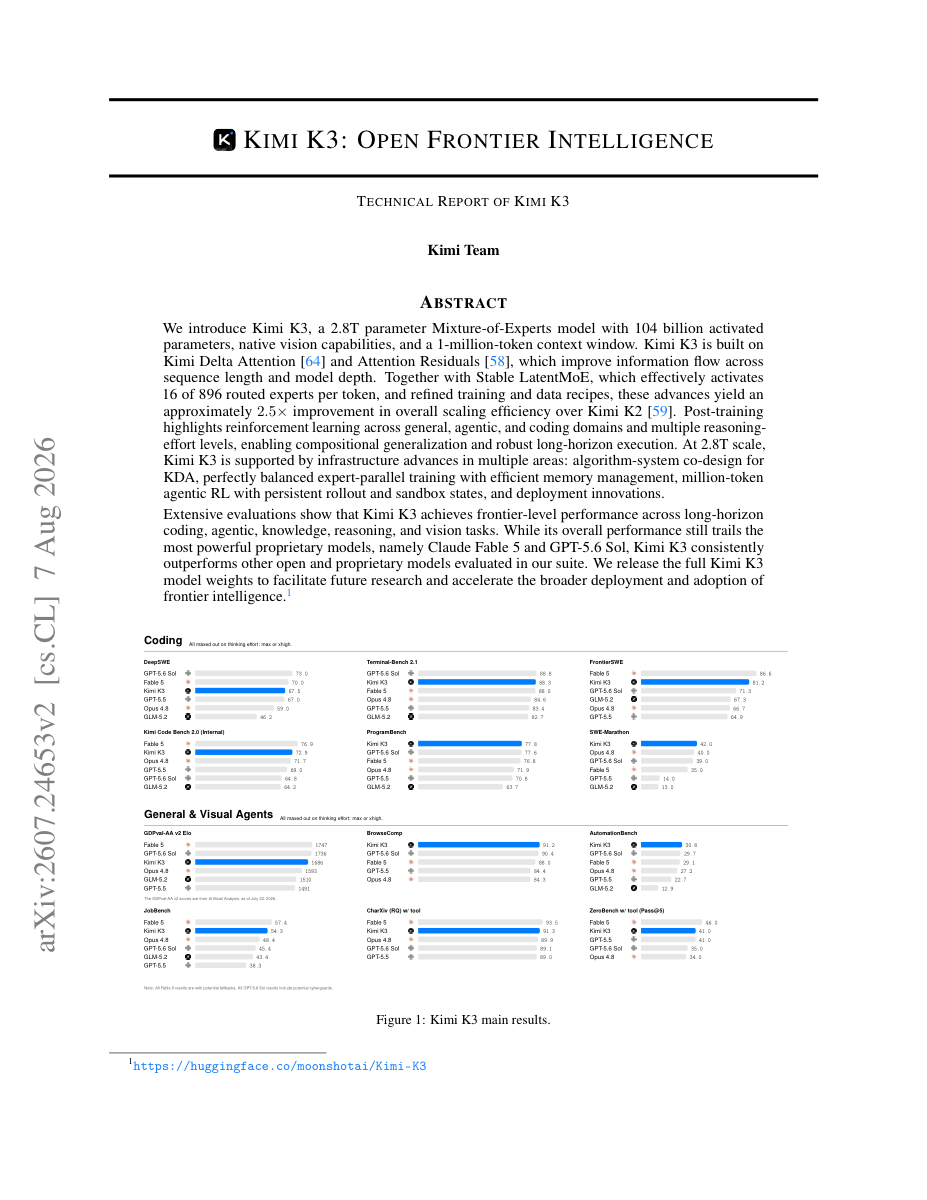
Kimi K3: Open Frontier Intelligence
Kimi Team · Technical report, August 2026; arXiv:2607.24653v2
Forty-seven pages of a frontier lab showing its working, which is the rare part — a 2.8T mixture of experts with 104B active, sixteen of 896 routed experts per token, a million tokens of context, and the weights released. The half worth the afternoon is not the benchmark table on page one but the infrastructure chapters behind it: the algorithm-and-system co-design for Kimi Delta Attention, expert-parallel training balanced by construction, and agentic RL held together by persistent rollout and sandbox state. It is also candid about trailing the closed models it lists itself against.
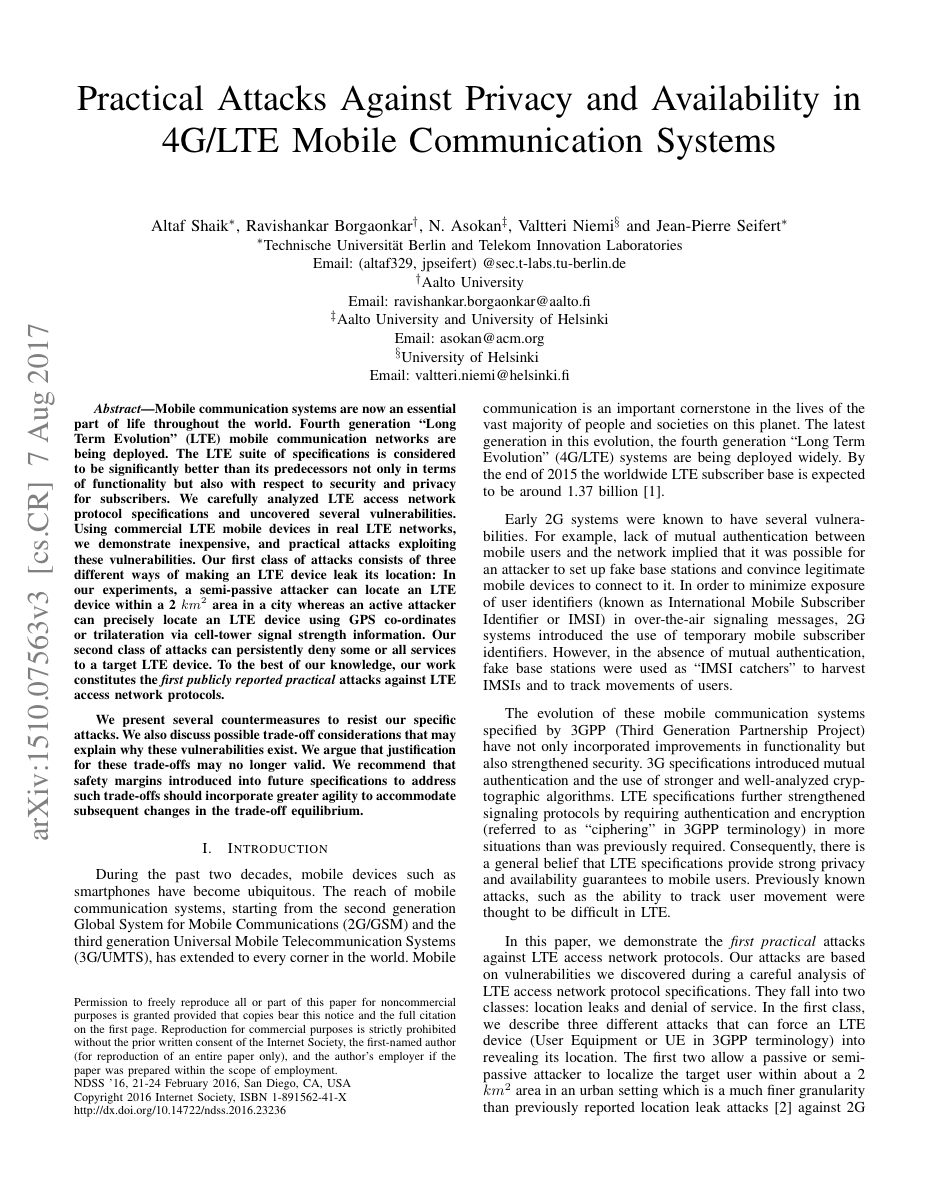
Practical Attacks Against Privacy and Availability in 4G/LTE Mobile Communication Systems
Altaf Shaik, Ravishankar Borgaonkar, N. Asokan, Valtteri Niemi and Jean-Pierre Seifert · NDSS '16, San Diego, February 2016; arXiv:1510.07563v3
The paper under the IMSI-catcher detectors people carry now, EFF's Rayhunter among them. It is a careful read of the LTE access network specification followed by a USRP and a bill of materials, and the finding is that a protocol designed to fix 2G's missing mutual authentication still leaks location to a passive listener and can be made to drop a phone back to 2G on command. Downgrade is the attack that never stops working.
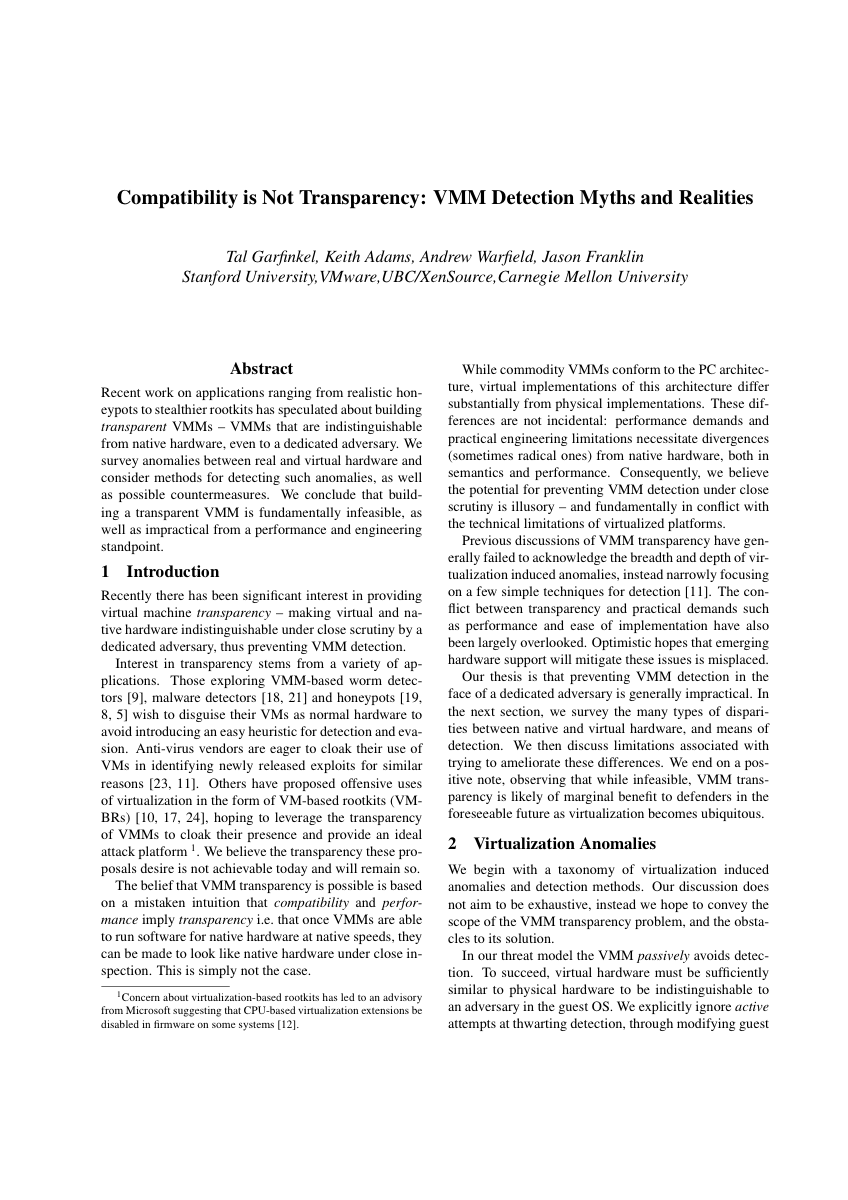
Compatibility is Not Transparency: VMM Detection Myths and Realities
Tal Garfinkel, Keith Adams, Andrew Warfield and Jason Franklin · HotOS XI, 2007
Six pages that end an argument. A hypervisor can run the guest's software correctly and still be nothing like the hardware it claims to be, because running it correctly is a statement about semantics and detection is a question about timing, cache, errata and every other place the abstraction is not the machine. The conclusion — that a transparent VMM is infeasible, not merely unbuilt — is the sort a paper is braver for stating plainly.
Advanced Statistical Arbitrage with Reinforcement Learning
Boming Ning and Kiseop Lee · Purdue University, March 2024; arXiv:2403.12180v1
Pairs trading without the Ornstein–Uhlenbeck assumption. Instead of fitting a spread to a process the market has not agreed to follow, they define an empirical mean reversion time and search for the basket that minimises it, then hand the entry and exit to a policy whose state is the recent shape of the move rather than the distance from a long-run mean. Worth reading for the reframing even if you never trade it.
Kitsune: An Ensemble of Autoencoders for Online Network Intrusion Detection
Yisroel Mirsky, Tomer Doitshman, Yuval Elovici and Asaf Shabtai · NDSS '18, San Diego, February 2018; arXiv:1802.09089v2
An intrusion detector that fits on a Raspberry Pi, which is the whole argument: a NIDS is only useful where the traffic is, and the traffic is at the gateway you cannot afford to put a GPU behind. The construction is an ensemble of small autoencoders over a feature map that keeps incremental statistics per channel, each one reconstructing its own slice and the reconstruction error doing the alerting — unsupervised, so nobody has to label a network, and online, so nobody has to retrain it. The dataset it came with has outlived the paper.
Nix to the Rescue for a Reproducible HPC-AI Software Stack
Wenke Du, Jean-Marc Gratien, Raphael Gayno and Bruno Raffin · Preprint, Inria and IFP Énergies-Nouvelles, July 2026; arXiv:2607.26688v1
A field report rather than a proposal, and better for it. The setup is the one everybody actually has — a C++/Fortran solver on MPI and CUDA coupled to a Python neural network, environment modules holding up one half and Conda the other — and the failures are the ordinary ones: CMAKE_PREFIX_PATH set by hand, Conda's isolation leaking system packages, a container that reproduces until you have to change one dependency. What Nix buys them is that the environment specification and the deployed artifact are the same document. Read it for the account of a supercomputer with no root and no internet, which is the constraint the whole design has to survive.
From AGI to ASI
Tim Genewein, Matija Franklin, Alexander Lerchner, Laurent Orseau, Samuel Albanie, Adam Bales, Cole Wyeth, Stephanie Chan, Iason Gabriel, Joel Z. Leibo, Allan Dafoe, Marcus Hutter, Thore Graepel and Shane Legg · Google DeepMind report, 10 June 2026; arXiv:2606.12683v1
A lab that has said it is building AGI, writing down what it thinks happens the day after. The spine is Universal AI as the far end of the continuum, which gives the argument a formal object to point at instead of a mood, and the four pathways it lays out — scaling, paradigm shift, recursive improvement, and intelligence emerging from multi-agent collectives — are treated as things that could each be slow for boring reasons. That is the useful half: the frictions and bottlenecks, and the open questions that fall out of not knowing which bind. Its own conclusion is against the single step change, in favour of a series of them.
VectorSearch: Enhancing Document Retrieval with Semantic Embeddings and Optimized Search
Solmaz Seyed Monir, Irene Lau, Shubing Yang and Dongfang Zhao · University of Washington, September 2024; arXiv:2409.17383v1
The retrieval half of RAG taken seriously as a systems problem rather than a library call. The complaints it opens with are the ones you hit in practice — vector stores tuned for single-vector similarity on a static corpus, reindexing cost when the corpus is not static, multi-vector queries poorly served — and the answer is hybrid indexing with the embedding and the search treated as one design instead of two. Worth reading next to whatever database you are about to pick.
Bitcoin: A Peer-to-Peer Electronic Cash System
Satoshi Nakamoto · Self-published, 31 October 2008; the bitcoin.org PDF, dated March 2009
Nine pages, no institution, no references worth the name, and the entire thing is an argument about what a timestamp is. The double-spend problem had always been solved by asking someone, and the move here is to replace the someone with an ordering that is expensive to rewrite — proof-of-work not as a lottery but as a way of making history costly. What still reads strangely is the tone: section 11 works the attacker's odds as a Poisson race and concludes with a C snippet, as if the political half of the thing were nobody's business. Read it for how little is in it.
An Overview of Trees in Blockchain Technology: Merkle Trees and Merkle Patricia Tries
Haitz Sáez de Ocáriz Borde · Department of Engineering, University of Cambridge, 21 February 2022
The data structure the paper above waves at, drawn out properly. Bitcoin needs one tree and gets a Merkle tree: hash the transactions in pairs up to a root, and membership costs a logarithmic number of siblings rather than the block. Ethereum needs the tree to hold mutable state as well, and the Merkle Patricia trie is what falls out of wanting a key-value store whose root is a commitment and whose common prefixes are not paid for twice. Short, expository, and the right thing to read before someone tells you a light client is trustless.
Group Theory
Jaeyi Song and Sophia Hou · MIT PRIMES Circle, Spring 2022; 25 May 2022
Sixteen pages by two high-schoolers reading Gallian, and the first three sections are what you would expect: groups, cyclic groups, quotients, homomorphisms, worked slowly. The reason it is on the shelf is section 5. Impose on the free group of the 26 letters every relation that two English homophones give you — by = bye, so e = 1; knot = not, so k = 1 — and the whole alphabet collapses except v, leaving Z. Then a chain looped round n poles that falls off the moment any one pole is pulled, which is the fundamental group of the plane minus n points and an iterated commutator. Two problems that sound like riddles and are answered, honestly, by a presentation.